Exploring Clinical Herbalism: A Guide to Healing

Herbal medicine has been part of human health care for thousands of years. Today, clinical herbalism brings this ancient wisdom into modern practice, combining traditional knowledge with scientific understanding. This guide explores clinical herbalism, showing how it supports healing and wellness in practical, effective ways.

What Is Clinical Herbalism?
Clinical herbalism is the practice of using plants and plant extracts to support health and treat illness. Unlike casual herbal use, clinical herbalism involves detailed knowledge of herbs, their effects, and how they interact with the body. Practitioners assess individual health conditions and design herbal treatments tailored to each person.
This approach blends traditional herbal knowledge with modern clinical methods. It often includes:
Careful diagnosis of health issues
Customized herbal formulas
Monitoring and adjusting treatments over time
Clinical herbalism aims to treat the root causes of illness, not just symptoms, promoting long-term wellness.
How Clinical Herbalism Differs from Other Herbal Practices
Many people use herbs casually, such as drinking chamomile tea for relaxation or using aloe vera for skin care. Clinical herbalism goes beyond this by applying herbs in a structured, therapeutic way. Key differences include:
Personalized treatment: Herbalists consider the whole person, including lifestyle, diet, and medical history.
Evidence-based approach: Clinical herbalists use scientific research alongside traditional knowledge.
Professional training: Practitioners often complete formal education and clinical internships.
Integration with conventional medicine: Herbalists work alongside doctors when needed, ensuring safe and coordinated care.
This makes clinical herbalism a reliable option for those seeking natural health support with professional guidance.
Common Conditions Treated with Clinical Herbalism
Clinical herbalism can support a wide range of health concerns. Some common examples include:
Digestive issues: Herbs like ginger and peppermint help soothe upset stomachs and improve digestion.
Stress and anxiety: Adaptogenic herbs such as ashwagandha and holy basil support the body's response to stress.
Immune support: Echinacea and elderberry are often used to boost immune function during colds or flu.
Hormonal balance: Herbs like chasteberry can assist with menstrual irregularities and menopausal symptoms.
Skin conditions: Calendula and neem may help with eczema, acne, and other skin problems.
Each treatment is tailored to the individual's needs, often combining several herbs for the best effect.
How Clinical Herbalists Assess and Create Treatments
A clinical herbalist begins with a detailed consultation. This includes:
Discussing symptoms and health history
Reviewing lifestyle factors such as diet, exercise, and stress
Considering any medications or supplements currently used
Based on this, the herbalist selects herbs that address the underlying causes of illness. They may prepare formulas in various forms:
Teas and infusions
Tinctures (herbal extracts in alcohol or glycerin)
Capsules or tablets
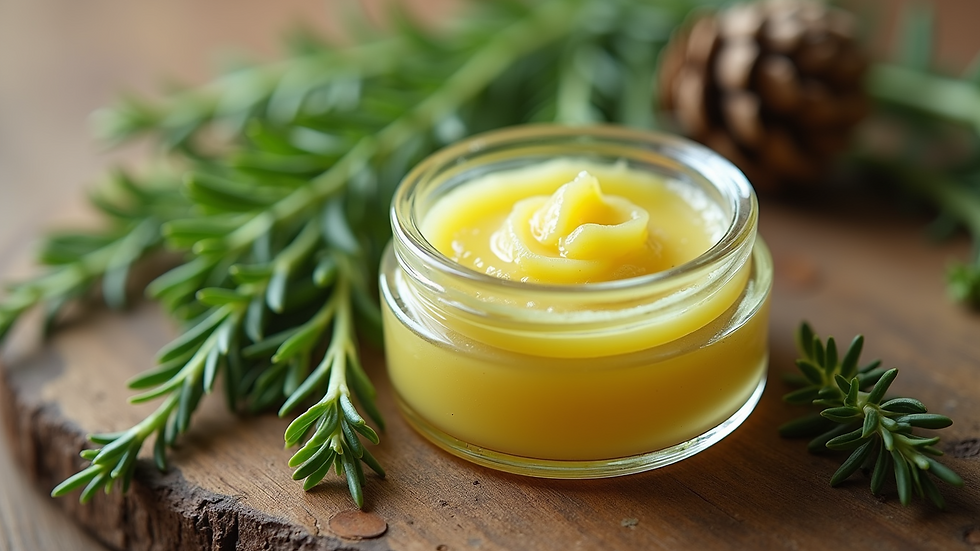
Topical creams or salves
The herbalist provides instructions on dosage and duration, then monitors progress, adjusting the treatment as needed.
Safety and Considerations in Clinical Herbalism
While herbs are natural, they are powerful substances that require careful use. Clinical herbalists are trained to:
Identify potential herb-drug interactions
Avoid herbs that may cause allergies or side effects
Recommend appropriate dosages for safety and effectiveness
People with serious health conditions or those pregnant or breastfeeding should always consult a healthcare professional before starting herbal treatments.
The Role of Research in Clinical Herbalism
Modern clinical herbalism values scientific research to understand how herbs work. Studies have shown benefits for many herbs, such as:
Turmeric’s anti-inflammatory effects
Milk thistle’s liver-protective properties
Valerian’s ability to improve sleep quality
Research helps herbalists choose herbs with proven benefits and avoid those with risks. It also supports the integration of herbal medicine into mainstream healthcare.
How to Find a Qualified Clinical Herbalist
If you want to explore clinical herbalism, finding a qualified practitioner is important. Look for herbalists who:
Have formal education from accredited herbal schools
Are members of professional herbalist organizations
Have experience working with your specific health concerns
Communicate clearly and listen to your needs
A good herbalist will work with your other healthcare providers to ensure safe, coordinated care.
Practical Tips for Using Herbal Medicine Safely
If you decide to try herbal medicine, keep these tips in mind:
Always tell your doctor about any herbs you are taking
Buy herbs from reputable sources to ensure quality
Follow the herbalist’s instructions carefully
Watch for any side effects and report them promptly
Use herbs as part of a healthy lifestyle, including good nutrition and exercise
Herbal medicine works best when combined with overall wellness practices.
The Future of Clinical Herbalism
Clinical herbalism is growing as more people seek natural health options. Advances in research and education continue to improve the safety and effectiveness of herbal treatments. Integrating herbal medicine with conventional care offers a holistic approach to health that respects both tradition and science.
This field invites curiosity and learning, encouraging people to connect with nature’s healing power in a thoughtful, informed way.
Exploring clinical herbalism reveals a rich, practical path to healing that respects the whole person. Whether managing chronic conditions or supporting everyday wellness, clinical herbalism offers tools grounded in tradition and science. If you are curious about natural health, consider consulting a clinical herbalist to discover how herbs might support your journey to better health.

Comments